






Understanding LGBT Divorce Rights in Newton, MA – Expert Help
Understanding LGBT divorce rights in Newton, MA? Learn key legal tips, challenges, and how to protect your rights with expert local legal support.
Understanding LGBT Divorce Rights and Legal Considerations in Newton, Massachusetts
Divorce proceedings can be emotionally and legally complex for any couple, but members of the LGBT community in Newton, Massachusetts, may face unique challenges that require specialized legal expertise. Understanding these nuances is crucial for anyone considering divorce or separation, as the legal landscape for same-sex couples has evolved significantly over the past two decades.
The Evolution of Marriage Rights in Massachusetts
Massachusetts holds a special place in LGBT legal history as the first state to legalize same-sex marriage in 2004. This landmark achievement came through the Goodridge v. Department of Public Health case, which established that denying marriage rights to same-sex couples violated the state constitution. Since then, Massachusetts has been at the forefront of protecting LGBT rights, including comprehensive divorce protections.
When seeking an LGBT divorce attorney in Newton MA, it’s important to understand that same-sex couples now have the same legal rights and protections as heterosexual couples when it comes to divorce proceedings. However, the relatively recent recognition of these rights means that some legal complexities still exist, particularly for couples who were together before marriage equality became law.
Unique Challenges in LGBT Divorce Cases
Property Division and Asset Recognition
One of the most significant challenges LGBT couples face during divorce involves property division, especially for relationships that began before same-sex marriage was legal. Massachusetts follows the principle of “equitable distribution,” meaning marital property is divided fairly but not necessarily equally between spouses.
For LGBT couples, determining what constitutes marital property can be complicated. Assets acquired during a long-term relationship before legal marriage may not automatically be considered marital property, even though the couple functioned as a married unit. An experienced attorney can help navigate these complex property issues and ensure fair distribution of assets accumulated throughout the relationship.
Child Custody and Parental Rights
Child custody matters in LGBT divorces often involve additional legal considerations. When both spouses are not biological parents of the children involved, establishing parental rights becomes crucial. Massachusetts recognizes several paths to legal parentage, including adoption, assisted reproductive technology agreements, and presumptions of parentage for married couples.
During divorce proceedings, courts prioritize the best interests of the child when making custody decisions. However, a non-biological parent who hasn’t legally established their parental rights may face challenges in securing custody or visitation rights. This situation underscores the importance of working with an attorney who understands the intricacies of LGBT family law.
Choosing the Right Legal Representation
Specialized Knowledge and Experience
When selecting legal representation for an LGBT divorce, finding an attorney with specific experience in this area is essential. While all qualified divorce attorneys in Massachusetts must be familiar with state divorce laws, those with experience in LGBT cases bring additional understanding of the unique issues that may arise.
An attorney experienced in LGBT divorce cases will be familiar with the historical context of same-sex relationships, understand the implications of pre-marriage relationships, and know how to navigate complex parental rights issues. They should also be sensitive to the emotional aspects of LGBT divorce, including potential family rejection or discrimination concerns.
Understanding Local Resources
Newton, Massachusetts, is known for its inclusive community and strong support for LGBT residents. Local attorneys who specialize in LGBT divorce cases often have connections to community resources, support groups, and other professionals who can provide additional assistance during the divorce process.
Legal Protections and Rights in Massachusetts
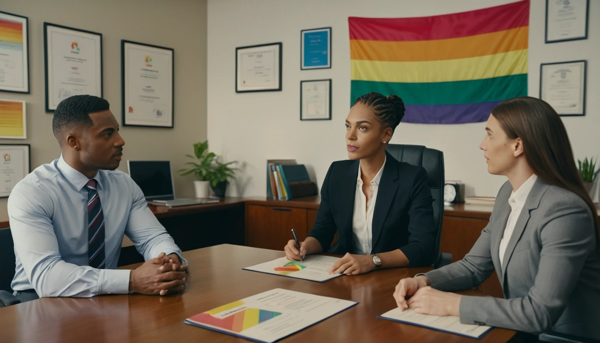
Massachusetts provides robust legal protections for LGBT individuals going through divorce. The state’s anti-discrimination laws extend to all aspects of the legal system, ensuring that sexual orientation and gender identity cannot be used as factors in determining custody, property division, or other divorce-related decisions.
The state also recognizes domestic partnerships and civil unions that were established in other states, which can impact divorce proceedings for couples who may have formalized their relationship elsewhere before moving to Massachusetts.
Financial Considerations and Support
Alimony and Spousal Support
Massachusetts law provides for alimony payments in divorce cases where one spouse requires financial support from the other. For LGBT couples, determining the appropriate duration and amount of alimony can be complex, particularly for relationships that existed for years before legal marriage was possible.
Courts consider factors such as the length of the marriage, each spouse’s income and earning capacity, and contributions to the household. However, for LGBT couples, an experienced attorney can argue for recognition of the entire relationship duration, not just the legally married period, when these factors are evaluated.
Retirement and Benefits
Division of retirement benefits and other employment-related benefits can present unique challenges in LGBT divorces. Some benefits may have been unavailable to same-sex couples for portions of their relationship, creating disparities that need to be addressed during property division.
Moving Forward: Key Considerations
Divorce is never easy, regardless of a couple’s sexual orientation or gender identity. However, LGBT couples in Newton, Massachusetts, can take comfort in knowing that they have strong legal protections and access to experienced legal professionals who understand their unique needs.
The legal landscape for LGBT divorce continues to evolve, with courts and attorneys gaining more experience in handling these cases. This growing expertise benefits all LGBT couples seeking divorce, as legal precedents become more established and attorneys become more skilled in addressing the specific challenges that may arise.
Understanding your rights, choosing experienced legal representation, and being prepared for the unique aspects of LGBT divorce can help ensure a fair and equitable resolution to your case. While the process may present certain challenges, Massachusetts law provides a strong foundation for protecting the rights and interests of all divorcing couples, regardless of sexual orientation or gender identity.
FAQs: LGBT Divorce Rights in Newton, MA
1. What are LGBT divorce rights in Newton, MA?
LGBT couples in Newton get the same rights as straight couples. Massachusetts law makes sure things are fair. They get help from lawyers who know LGBT issues.
2. How is property divided in an LGBT divorce?
In Massachusetts, property is divided fairly, not always equally. Things owned before marriage might not count unless proven to be shared. Lawyers help make sure everything is valued right.
3. Do non-biological LGBT parents have custody rights?
Yes, if they’ve adopted or agreed to be legal parents. Without these steps, it’s harder to get custody. The court always looks out for the child’s best interest.
4. Can LGBT couples claim alimony for pre-marriage years?
Courts might consider long-term relationships before marriage. Alimony depends on income, contributions, and how long they were together. A good LGBT lawyer can help argue for fair treatment.
5. Does Massachusetts recognize out-of-state unions?
Yes, Massachusetts respects domestic partnerships and civil unions from other states. This can affect divorce rights and how assets are divided. Getting legal advice is key to handling these issues.